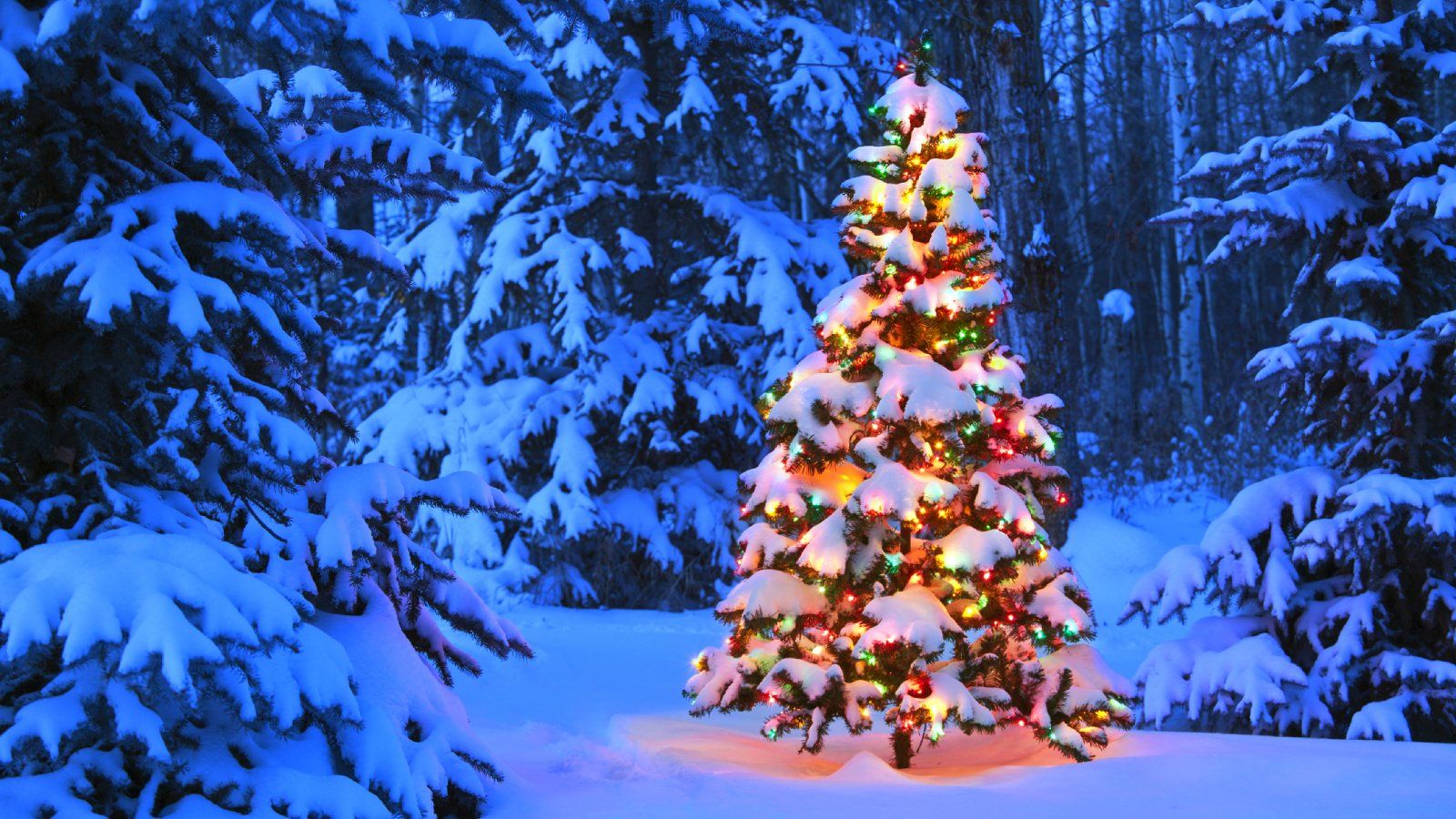
Turn Your Christmas Tree Into a Garden Perennial Reminder
The magic of Christmas often centers around a beautifully adorned evergreen, a beacon of festive cheer in our homes. For many, this beloved tree represents cherished memories, piles of presents, and timeless traditions. While artificial trees offer convenience, there's an undeniable allure to a real Christmas tree. But what if your holiday centerpiece could offer more than just a fleeting moment of joy? What if, instead of being discarded, it could continue to thrive, growing into a living, perennial reminder of seasons past?
The good news is, it can! By opting for a "living" Christmas tree – often sold as "potted," "live-root," or "balled and burlapped" – you gain the unique opportunity for planting our Christmas tree in your garden after the holidays are over. Unlike their cut counterparts, these trees come with their root ball intact, ready for a second life outdoors. This transforms a temporary decoration into a lasting landscape feature, adding year-round beauty and a truly special layer to your holiday memories. However, successful transplantation requires thoughtful preparation and a precise approach.
Choosing and Preparing Your Living Christmas Tree
The journey to successfully planting your Christmas tree begins long before the first ornament is hung. This initial phase is crucial for ensuring your tree has the best chance of survival once it transitions from your cozy living room to the potentially harsh outdoor environment.
Sourcing the Perfect Tree
- Early Research is Key: Don't wait until December to look for a living tree. Availability can be limited, so start your search at local nurseries, garden centers, or even Christmas tree farms well in advance. Call ahead to confirm they offer trees with their root balls intact.
- Understand Your Climate: Select a tree species that is native or well-suited to your local climate and soil conditions. Common options include various types of spruce, fir, or pine. A knowledgeable nursery staff can guide you on the best choice for your zone.
- Inspect the Root Ball: A healthy living tree will have a firm, moist root ball, typically wrapped in burlap or a container. Avoid trees with exposed, dry, or damaged roots, as these are less likely to survive the transplant.
Pre-Holiday Planting Site Selection
One of the most critical steps for those in colder climates is to prepare the planting site *before* the ground freezes solid. This foresight prevents the challenging task of digging in frozen earth post-holidays.
- Choose Wisely: Select a spot in your yard with adequate sunlight, good drainage, and enough space for the tree to grow to its mature size. Remember, these evergreens can become quite large! Consider proximity to power lines, septic systems, or your home.
- Dig the Hole in Advance: Dig a hole that is at least twice as wide as the tree's root ball and deep enough so that the top of the root ball will be level with or slightly above the surrounding ground once planted. This wider hole encourages root expansion.
- Store the Soil: Keep the excavated soil in a protected, unfrozen area, like a garage or shed. Cover it with a tarp to prevent it from freezing solid. You might also want to have some compost or well-rotted manure on hand to mix with the soil for backfilling.
- Protect the Hole: Once dug, cover the hole with a sturdy piece of plywood or a tarp weighted down with rocks to prevent it from filling with snow or debris, and to keep curious pets or children safe.
Caring for Your Living Tree Indoors
While your living tree brings natural beauty indoors, its time inside should be limited and carefully managed to reduce stress and maximize its chances of survival once outdoors. Remember, evergreens enter a dormant phase in winter, and prolonged warmth can disrupt this natural cycle.
- Limit Indoor Stay: Ideally, keep your living Christmas tree indoors for no more than 7-10 days. The longer it stays in a warm environment, the harder it will be for it to reacclimatize to colder outdoor temperatures.
- Maintain Moisture: Keep the root ball consistently moist, but not waterlogged. Check the soil moisture daily and water as needed. A saucer or tray underneath the burlap-wrapped root ball can help catch excess water and protect your floors.
- Avoid Heat Sources: Place the tree away from direct heat sources like fireplaces, radiators, and heating vents. High temperatures and dry air can rapidly dehydrate the tree.
- Consider a Transitional Space: If possible, before bringing the tree directly into a warm living room, allow it a day or two in a cooler, unheated space like an enclosed porch or garage. This gradual temperature change helps reduce shock.
The Planting Process: From Indoors to Outdoors
Once the holidays are over, it’s time for the next exciting phase: planting our Christmas tree in its permanent outdoor home. This transition needs to be handled with care, especially if winter temperatures are still severe.
- Gradual Acclimatization is Crucial: Do not move the tree directly from a warm house into freezing outdoor temperatures. Just as you brought it in gradually, return it to a cooler, unheated space (like a garage or shed) for several days. This allows the tree to gradually adjust to colder conditions, mimicking its natural hardening-off process.
- Prepare the Tree: Once the tree has acclimated to cooler temperatures and the outdoor conditions are suitable (ideally not during a hard freeze), carefully transport it to the pre-dug hole.
- Remove Packaging: Gently remove any non-biodegradable packaging, such as plastic containers or twine. If the root ball is wrapped in burlap, you can often leave it in place if it's 100% natural burlap, but make sure to cut away any twine or wire around the trunk and pull the burlap back from the top of the root ball so it's not exposed above the soil line. Synthetic burlap *must* be completely removed.
- Position the Tree: Place the tree in the center of the prepared hole. Ensure the top of the root ball is level with or slightly above the surrounding grade. This helps prevent water from pooling around the trunk, which can lead to rot.
- Backfill with Care: Begin to backfill the hole with the reserved soil, mixed with compost or aged manure. Gently tamp the soil as you go to remove large air pockets, but avoid compacting it too tightly, which can restrict root growth.
- Water Thoroughly: After backfilling, water the tree deeply to settle the soil around the roots. This also helps eliminate any remaining air pockets.
- Add Mulch: Apply a 2-3 inch layer of organic mulch (such as wood chips, pine needles, or shredded bark) around the base of the tree. Keep the mulch a few inches away from the tree's trunk to prevent moisture buildup and potential disease or pest issues. Mulch helps retain soil moisture, moderate soil temperatures, and suppress weeds – all vital for a young tree's establishment.
Post-Planting Care for Long-Term Success
Once your Christmas tree is nestled in its new outdoor home, ongoing care is essential, especially during its first year of establishment.
- Weed Control: Young Christmas tree transplants are highly susceptible to weed pressure. Weeds compete vigorously for water, nutrients, and light, often hindering a young tree's growth and survival. Develop a robust weed control plan from the start, whether it's manual weeding, using landscape fabric, or applying appropriate herbicides (if comfortable). Consistency is key.
- Consistent Watering: Even during winter thaws, newly planted trees need adequate moisture. Continue to water deeply once or twice a week, particularly during dry spells or if you live in an area with low natural precipitation. Ensure the soil remains moist but not waterlogged.
- Pest and Disease Monitoring: Regularly inspect your tree for any signs of pests or diseases. Address issues promptly to prevent significant damage.
- Winter Protection (First Year): In very harsh climates, consider providing some winter protection during the first year. This could involve wrapping the trunk with burlap to protect against sunscald and rodent damage, or creating a simple windbreak.
- Light Pruning: Only prune your evergreen if necessary to remove dead or damaged branches, or to shape it lightly. Avoid heavy pruning until the tree is well-established.
By carefully following these steps for planting our Christmas tree, you're not just disposing of a holiday decoration; you're creating a living legacy. Each year, as the seasons turn and the tree grows stronger, it will serve as a beautiful, evergreen reminder of family, tradition, and the enduring magic of Christmas.
