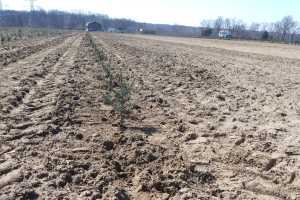
The magic of Christmas often culminates around a beautifully decorated evergreen, a focal point for family gatherings and festive traditions. While artificial trees offer convenience, many still cherish the timeless appeal of a real Christmas tree. For those who wish to extend this holiday spirit far beyond December, the option of a "living" Christmas tree presents an exciting opportunity. Imagine planting our Christmas tree in the garden, watching it thrive year after year, a permanent reminder of cherished memories. This guide provides comprehensive, SEO-optimized tips for successfully transplanting your holiday evergreen outdoors.
Choosing and Preparing Your Living Christmas Tree for Outdoor Planting
The first crucial step in successfully planting your Christmas tree outdoors is selecting the right kind of tree. Not all Christmas trees are candidates for a second life in your garden.
Understanding "Living" Trees
Most real Christmas trees sold are "clear-cut," meaning they've been severed from their root system. These trees, while beautiful for the holidays, cannot be replanted. For a successful outdoor transplant, you'll need a "living" Christmas tree, often marketed as "potted," "live-root," or "balled and burlapped." These trees have their original root ball intact, making them viable for planting after the festivities conclude. When sourcing, always call ahead to local nurseries, garden centers, or specialized farms and specifically inquire about trees with their root balls intact. This ensures you're investing in a tree that truly has a future beyond the living room.
Acclimation and Indoor Care
Once you have your live tree, its journey to becoming a garden perennial requires careful management. Evergreens, by nature, are accustomed to outdoor temperatures. Bringing them directly into a warm indoor environment can shock them. To prevent this, consider an acclimation period. Before moving the tree indoors, let it spend a day or two in a sheltered, unheated garage or porch. Similarly, after the holidays, avoid immediately moving it outside if temperatures are freezing. Another short acclimation period in a cooler space will ease its transition.
Crucially, limit the tree's indoor stay to a maximum of ten days. Any longer and it may begin to break dormancy prematurely, making it more susceptible to damage when returned to winter conditions. While indoors, keep the root ball consistently moist, but not waterlogged. Placing the pot on a tray with pebbles can help increase humidity around the tree without overwatering.
Site Selection and Pre-Planting Preparation
Successful outdoor Christmas tree planting hinges on thorough advance preparation, particularly if you live in an area prone to freezing winter temperatures.
Scouting Your Planting Location
Determining the ideal planting spot for your tree is not a last-minute decision. If you live in a region that regularly experiences snow and ice, it's vital to identify your planting site well in advance of the holidays, before the ground freezes solid. Consider the tree's mature size – these evergreens can grow quite large, so ensure it has ample space to expand without interfering with structures, utility lines, or other plants. Think about its light requirements (most evergreens prefer full sun to partial shade) and how it will fit into your existing landscape design. Good drainage is also paramount; evergreens dislike 'wet feet'. This thoughtful planning ensures your tree will thrive for decades.
Digging the Hole in Advance
The key to hassle-free post-holiday planting in cold climates is to dig the hole before the ground freezes. Aim to dig a hole that is at least twice as wide as the tree's root ball, but only as deep as the root ball itself. The root flare (where the trunk widens at the base) should be at or slightly above ground level once planted. Deeper planting can suffocate the roots. Cover the excavated soil with a tarp to prevent it from freezing solid. If possible, mix some compost or well-rotted organic matter into the stored soil; this will provide essential nutrients for the tree's new home and help break up heavy clay or sandy soils. For more detailed guidance, check out our article on How to Plant Your Live Christmas Tree After the Holidays.
The Planting Process: Step-by-Step for Success
Once your tree has enjoyed its time indoors and you've prepared the site, the actual planting is a straightforward process, but precision is key for long-term health.
Timing and Final Acclimation
As mentioned, avoid moving the tree directly from a warm home to freezing outdoor conditions. After its indoor holiday stint, move it to an intermediate, unheated space like a garage or shed for a few days. This gradual transition minimizes shock. The best time to plant is when the ground is workable and temperatures are consistently above freezing, ideally on an overcast day to reduce immediate sun stress on the newly exposed roots.
Positioning the Tree
Bring your tree to the pre-dug site. Gently remove any burlap, twine, or container material from around the root ball. If the tree is balled and burlapped, carefully cut and remove all wrapping materials, as they can restrict root growth. For potted trees, slide the tree out of its container. Inspect the roots; if they appear to be circling the root ball, gently tease them apart to encourage outward growth. Place the tree in the center of the hole, ensuring the root flare is level with or slightly above the surrounding soil. This critical step prevents future trunk rot and ensures proper oxygen exchange for the roots. Step back and check that the tree is straight from all angles.
Backfilling and Initial Watering
Using the mixture of excavated soil and compost, begin to backfill the hole, gently firming the soil around the root ball to eliminate large air pockets. Avoid compacting the soil too much, as roots need air to breathe. Once the hole is about two-thirds full, give the tree a good, slow watering. This helps settle the soil around the roots. Finish backfilling, leaving a slight berm or "watering ring" around the edge of the hole to help retain water. Water again thoroughly until the soil is saturated. This generous initial watering is vital for the successful planting of our Christmas tree, helping it establish connections with its new environment.
Post-Planting Care and Long-Term Health
After the tree is in the ground, its journey is far from over. Proper post-planting care is crucial for its survival and growth, ensuring it becomes a magnificent garden perennial.
Weed Control
Young trees are highly susceptible to competition from weeds. Fast-growing weeds can quickly out-compete your evergreen for precious soil moisture, nutrients, and sunlight, often leading to poor transplant survival. Implement a proactive weed control plan from day one. This could involve hand-weeding, applying a pre-emergent herbicide (following manufacturer instructions carefully), or, most effectively, using mulch to suppress weed growth. Remember, trying to catch up with weeds once they've taken hold is often a losing battle.
Mulching for Optimal Growth
Adding a layer of organic mulch around the base of your newly planted Christmas tree is one of the most beneficial steps you can take. Mulch offers multiple advantages:
- Weed Suppression: It blocks sunlight, preventing weed seeds from germinating.
- Moisture Retention: Mulch reduces water evaporation from the soil, keeping roots hydrated, which is especially valuable when irrigation isn't readily available.
- Temperature Moderation: It insulates the soil, keeping roots cooler in summer and warmer in winter, reducing stress from temperature fluctuations.
- Nutrient Addition: As organic mulch slowly decomposes, it enriches the soil with vital nutrients.
Ongoing Hydration and Protection
Even after thorough initial watering, consistent hydration is critical, particularly during the first year of establishment. New trees have limited root systems and can dry out quickly. Check the soil moisture regularly by feeling a few inches down; if it feels dry, water deeply. Continue watering even through dry spells in winter, as evergreens can suffer from winter desiccation. Protect young trees from harsh winter winds and potential animal browsing with tree wraps or cages, if necessary. Over time, with proper care, your living Christmas tree will grow into a robust and beautiful specimen, creating a Turn Your Christmas Tree Into a Garden Perennial Reminder for years to come.
The journey from a twinkling indoor centerpiece to a majestic outdoor evergreen is a rewarding one. By carefully selecting a living tree, preparing its outdoor home in advance, executing the planting process with precision, and providing diligent post-planting care, you can ensure the success of planting our Christmas tree. This not only offers an environmentally conscious alternative to discarding cut trees but also creates a lasting, living legacy of your holiday memories in your very own garden. The joy of watching it grow and thrive will be a perennial gift, celebrating the spirit of Christmas all year long.
